CBECC Complex HVAC Example Guide
California’s performance pathway gives buildings real flexibility. A design team can trade energy across systems, take credit for what the building does, and find compliance in a form that fits the project instead of a prescriptive checklist. That flexibility only pays off if the building performance model is representative and right: the modeler has to build the model correctly, the design team has to understand what was assumed on their behalf, and the building that gets constructed has to match what the model claimed.
Mechanical systems are where this tends to break down. They are difficult to represent in compliance software, and a wrong representation is not obvious from the compliance report.
Modeling a mechanical system requires knowing three things: how the design fundamentally moves heating and cooling, how the kit of parts communicates to do it (the architecture), and how that architecture can be represented in compliance software, both structurally and through controls. Each of those steps involves a translation, and each translation can lose detail the model needs. Where that happens, the model misstates energy use, in either direction. Every one of those translations happens somewhere specific in the modeling process, and that process is where the risk lives.
That chain of translation is exactly what building the model, step by step, looks like in practice. It starts with the design, the mechanical drawings and sequences that show how the system fundamentally moves heat, before any software is involved. That design gets translated into geometry: zones, floors, and volumes that give the software something physical to reason about, but that still says nothing about equipment or controls.
Geometry is then translated again into objects: VAV boxes, air handling units, plant equipment, the compliance software’s vocabulary for the architecture the design team actually specified. Only after all three translations are in place does the software check the result and determine whether the building complies. Each step inherits the errors of the one before it. A compliance report can be accurate about the objects it was given and still be wrong about the building if geometry misrepresented the design or objects misrepresented the architecture upstream of it.

This resource library works through those translations on eight complex HVAC configurations that come up often in Title 24 projects and cause the most confusion. Seven alternates sit alongside them, showing how the model changes when the system architecture does. Each example pairs a working CBECC model with documentation that walks from the mechanical system as designed, through the object hierarchy, to the specific inputs that make it compliant.
About This Project
A2 Efficiency developed this project with support from Southern California Edison and the California IOUs under CalBEM Working Group 3. Practitioner interviews, software object mapping, and a review of existing guidance identified where modelers get stuck in CBECC 2025. The team built the resource set around those systems: example files, guidance documentation, system diagrams, and an HVAC System Options Database.
Includes prototype materials and HVAC example guides
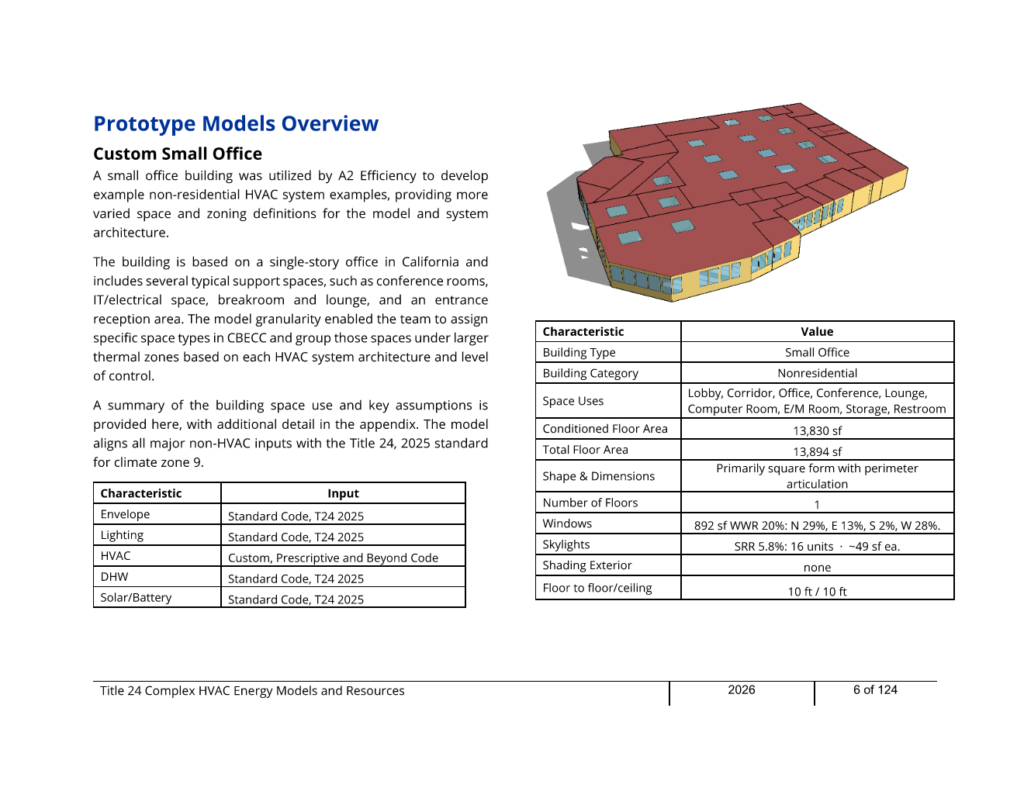
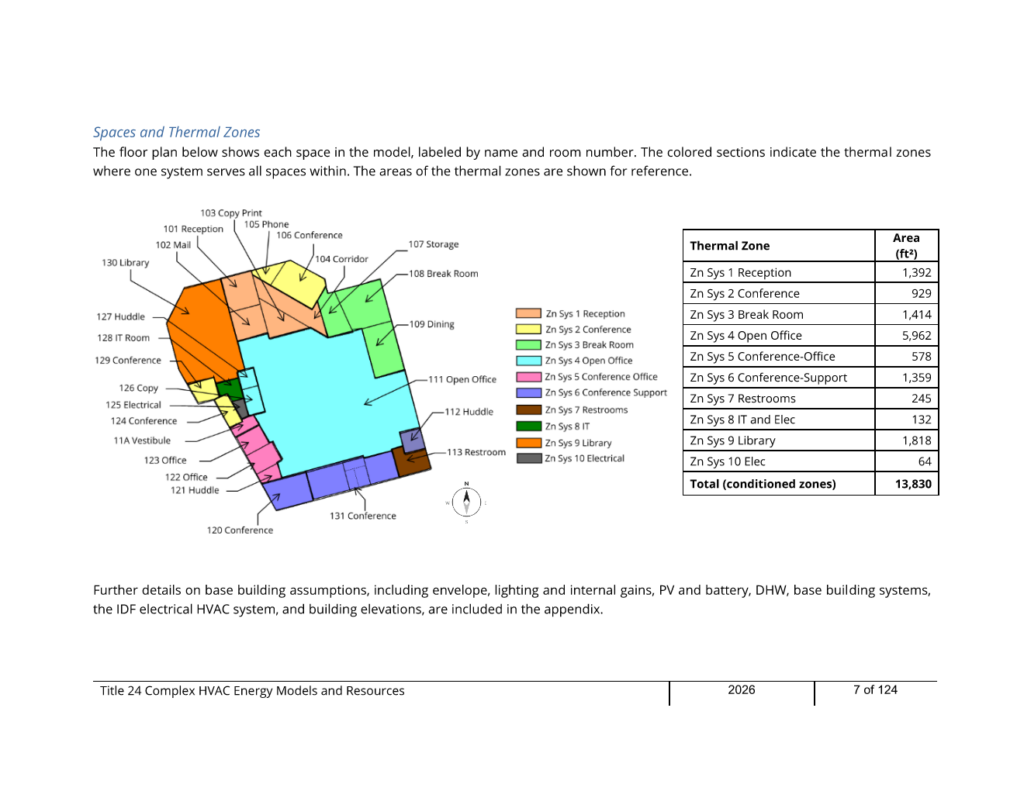
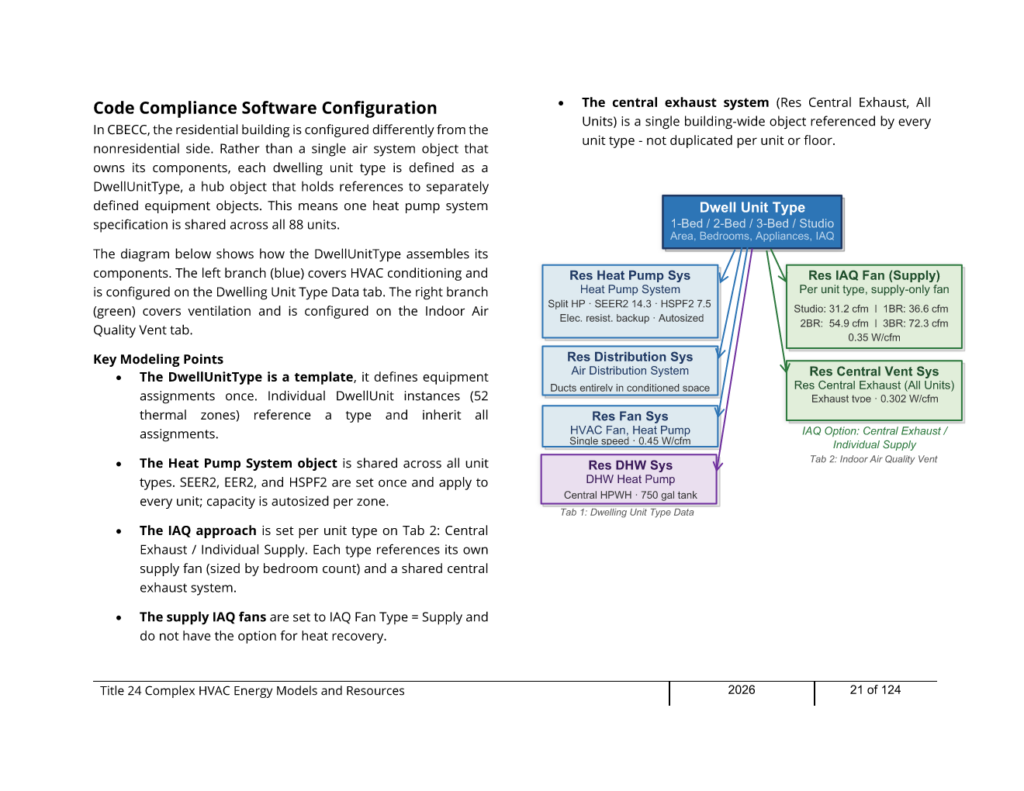
GitHub repo of Example CBECC model files:
Example HVAC Systems
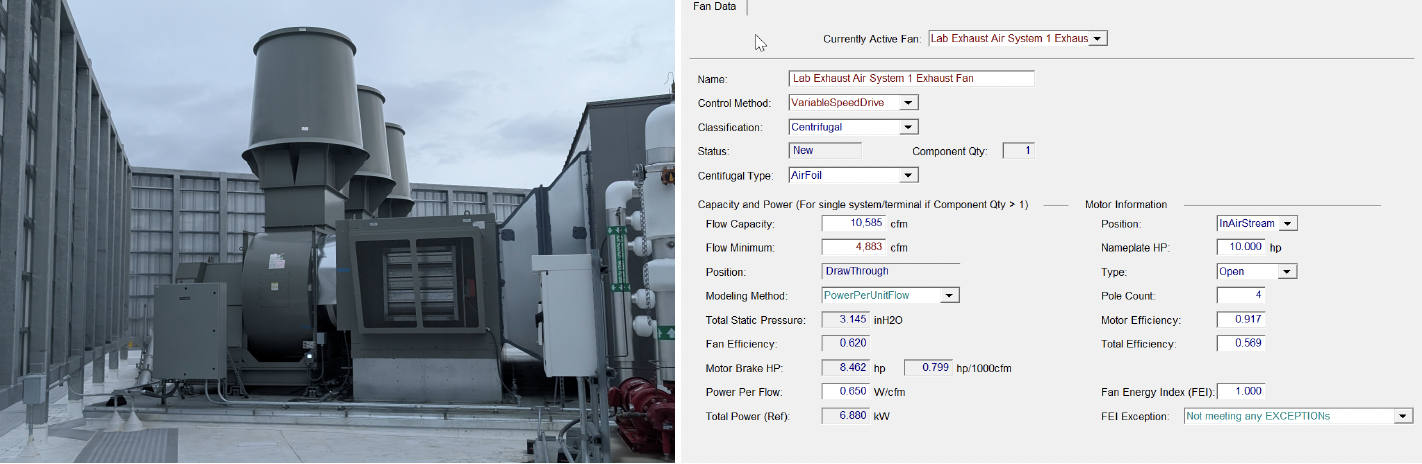
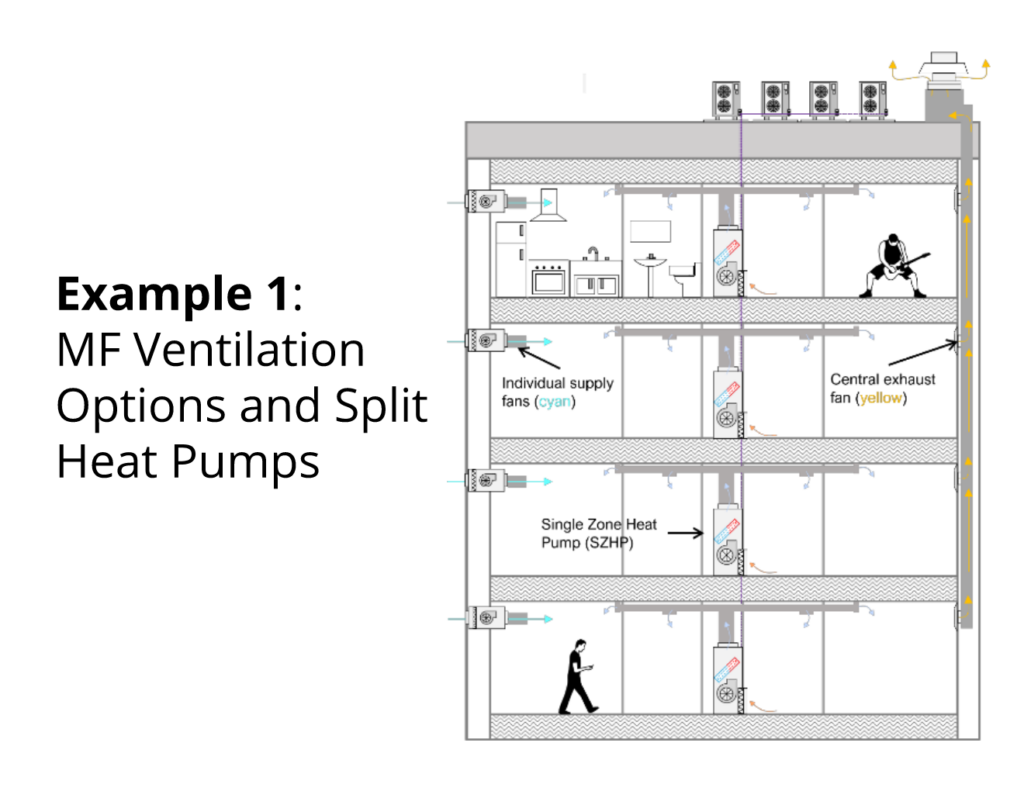
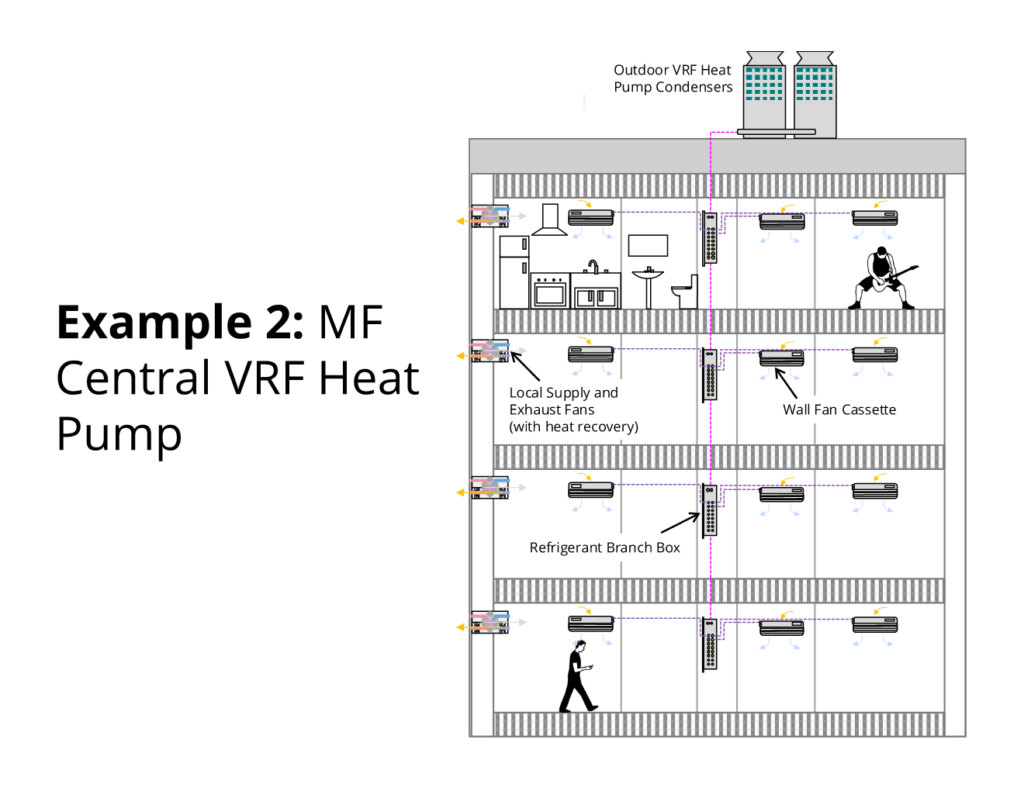
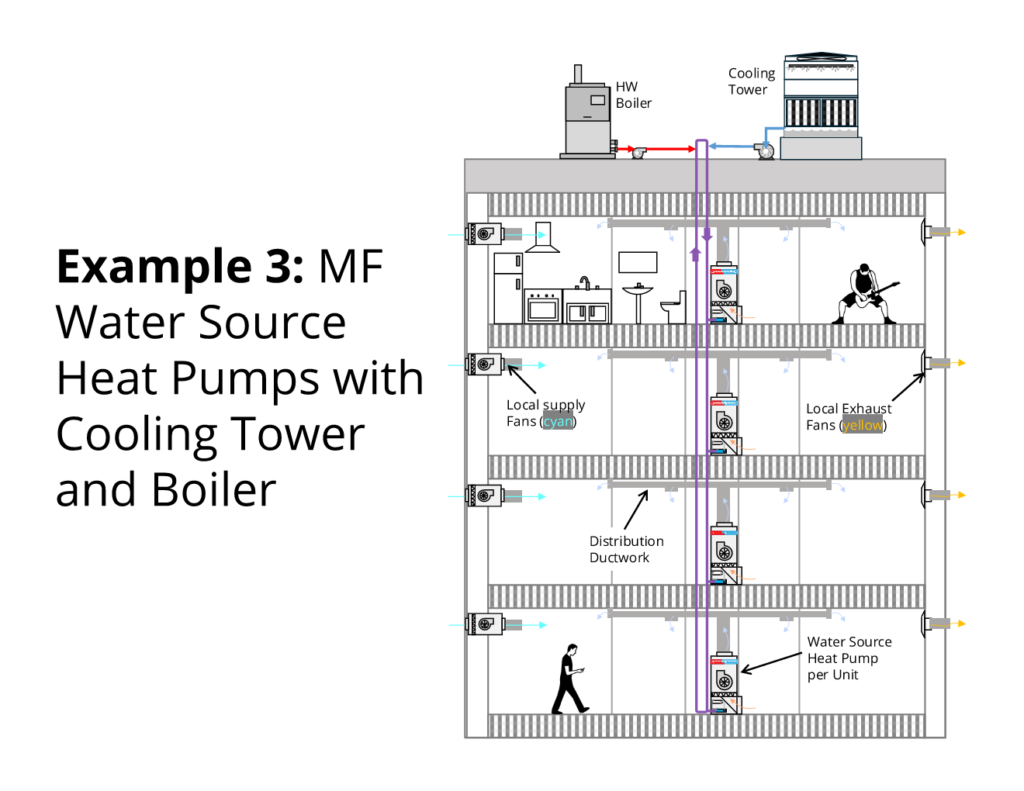
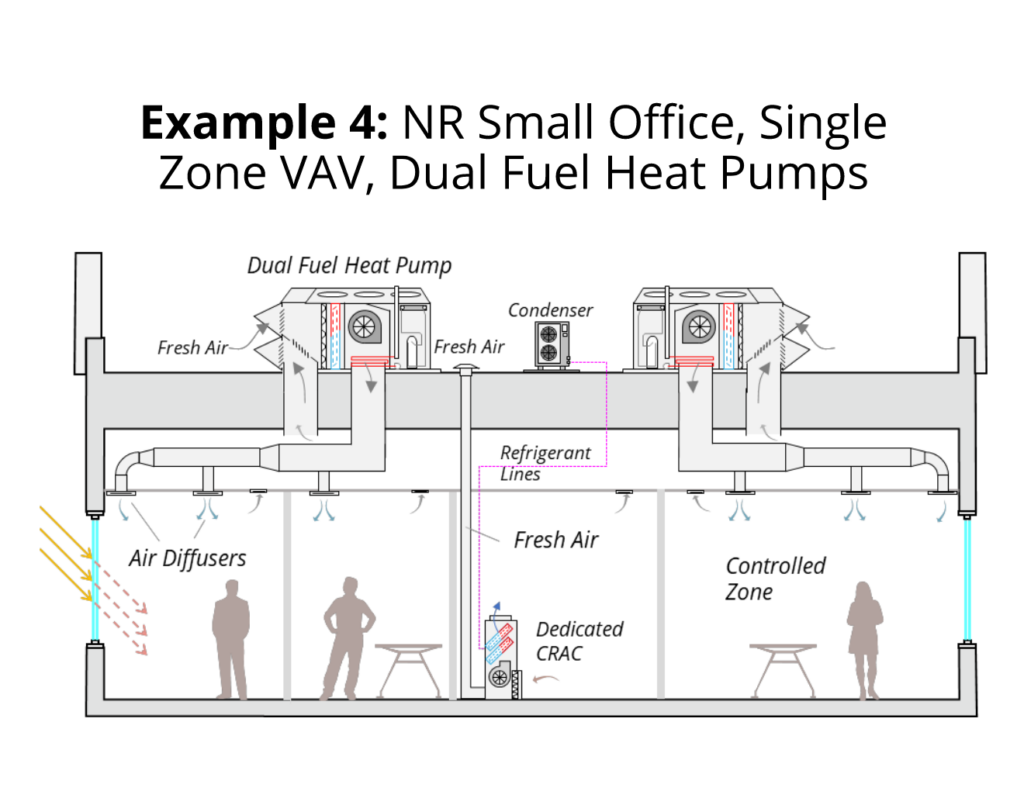
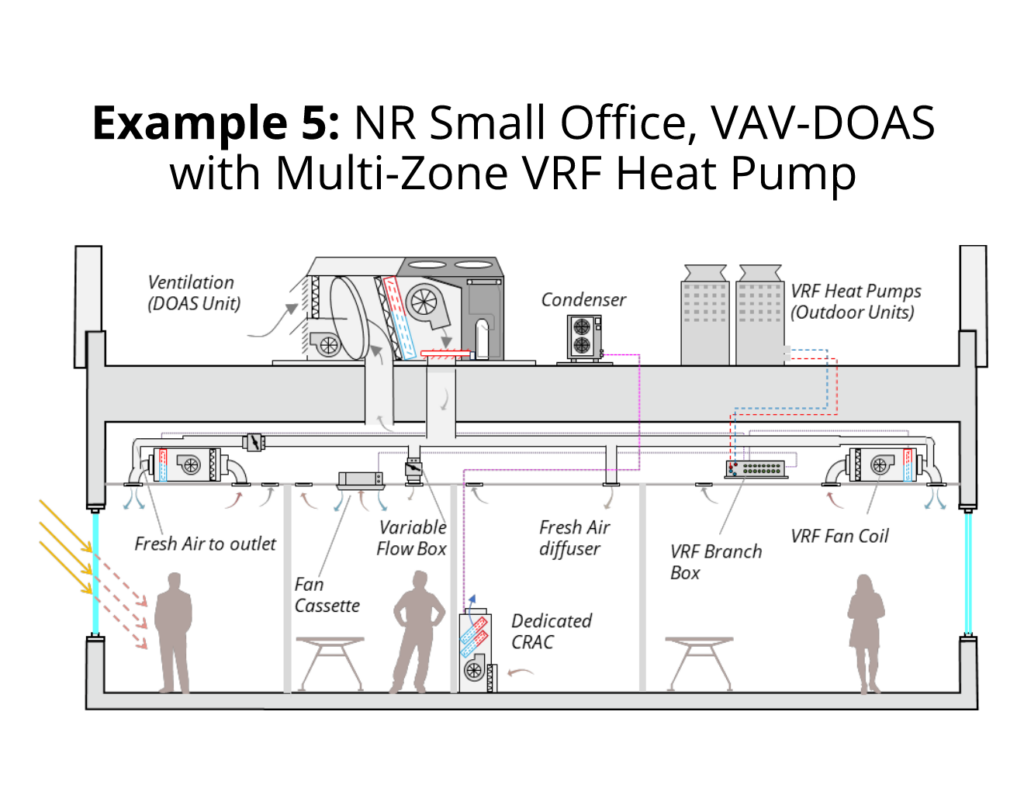
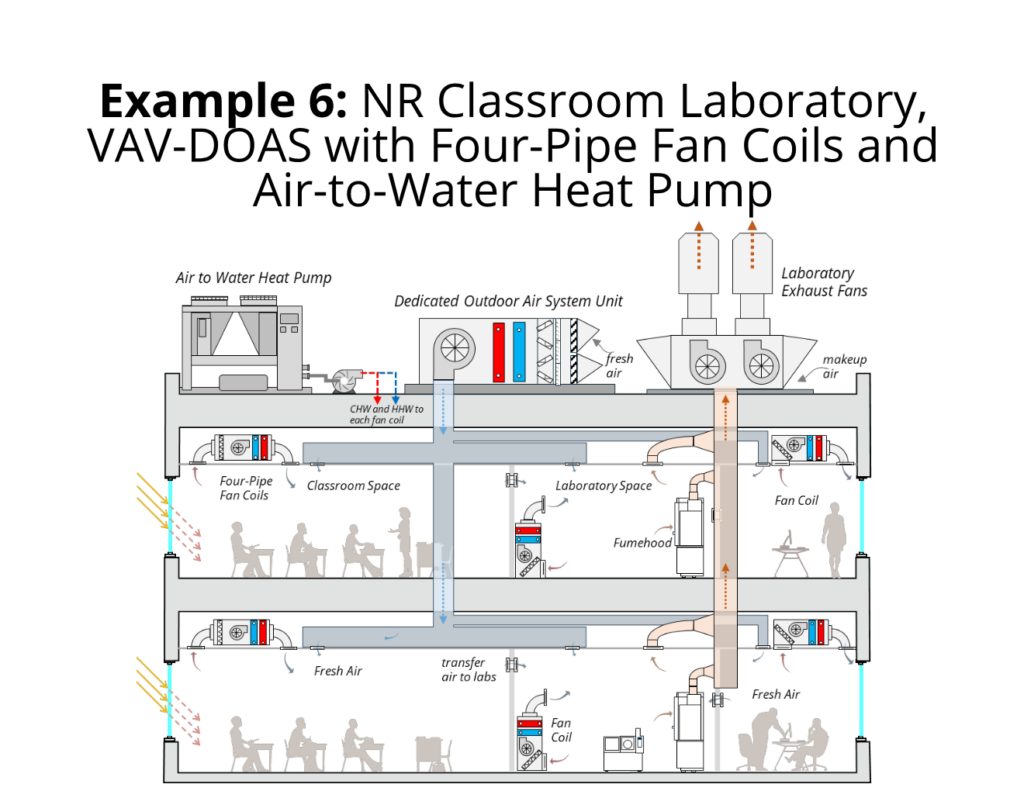
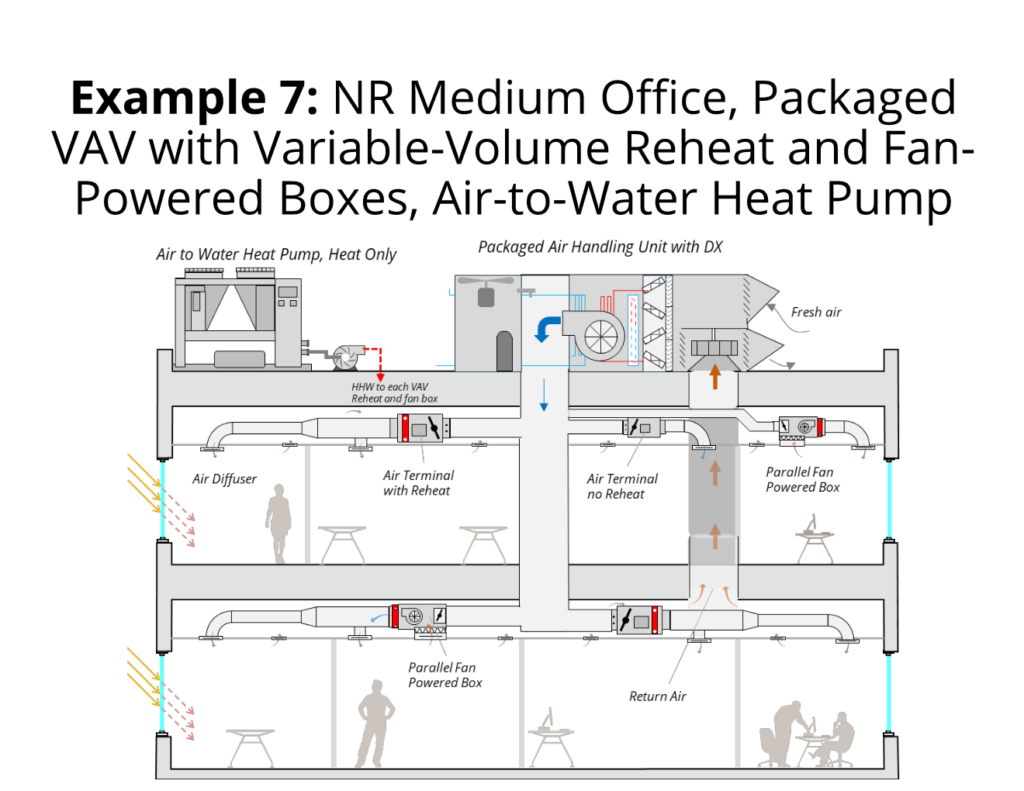
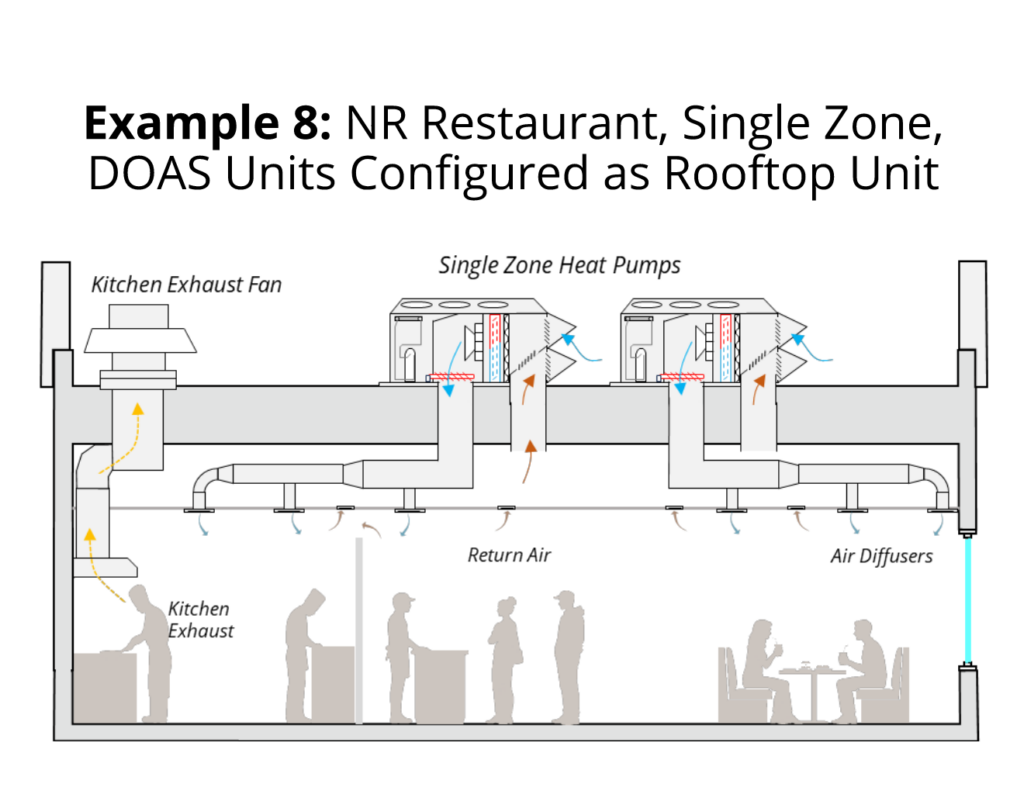
The following example models represent high-priority HVAC system configurations identified through the project’s industry survey and TAG review process. Each example model is accompanied by a guidance document covering the mechanical system description, HVAC component diagrams, equipment schedules, CBECC object hierarchy, software screenshots with annotated inputs, code section references, and recommended modeling best practices. Guidance documents are designed to be used alongside the model files and are suitable for both independent learning and use in training contexts.
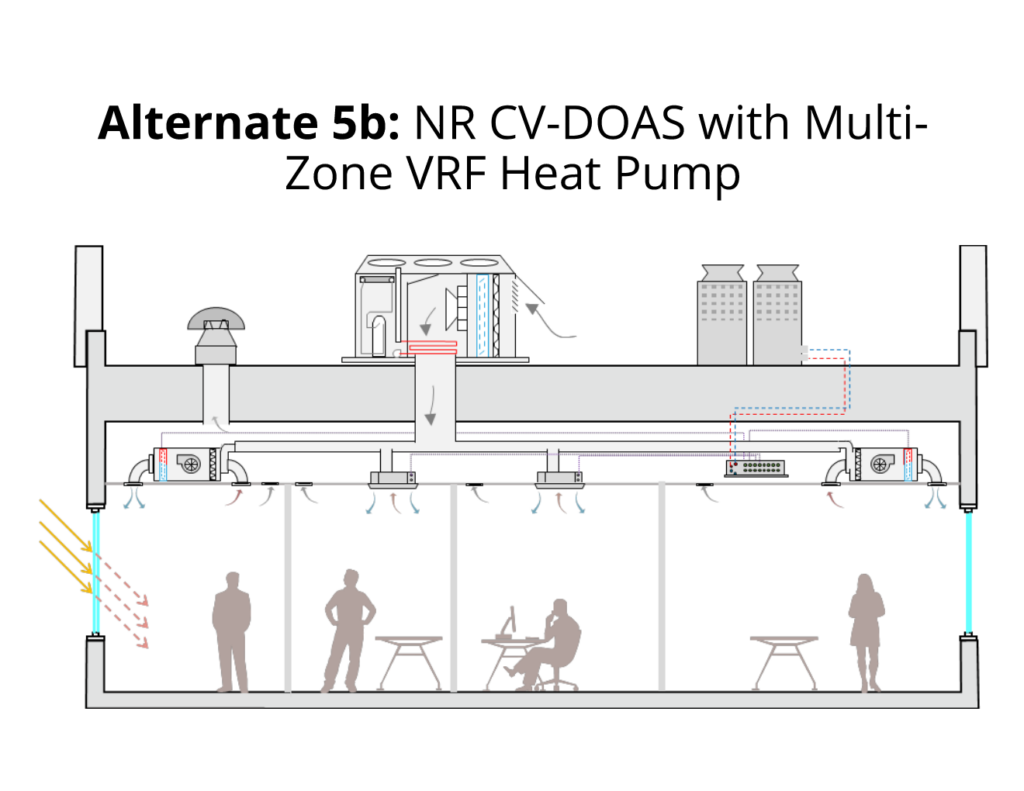
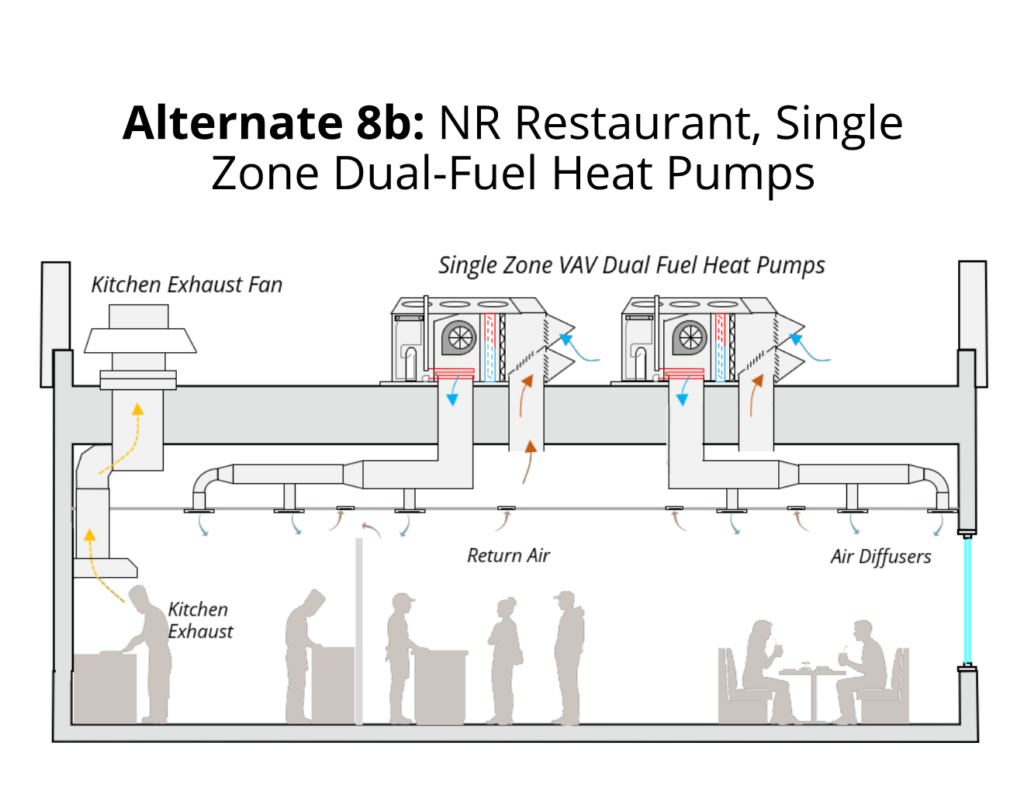
Alternate Example HVAC Systems
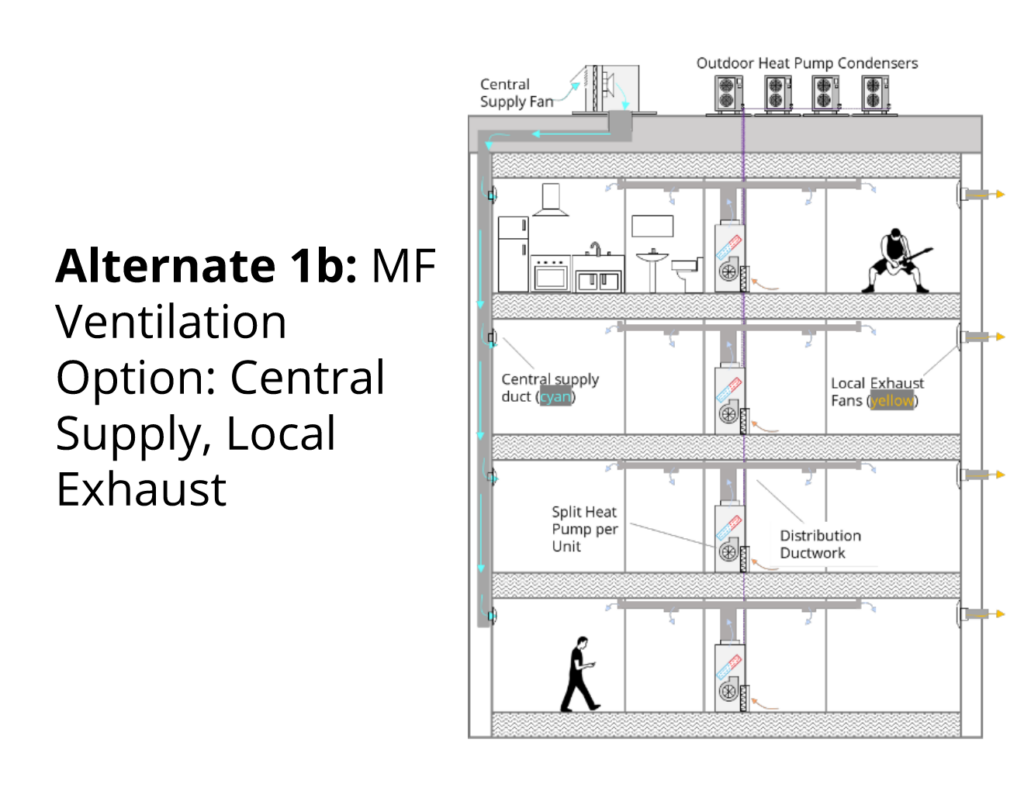
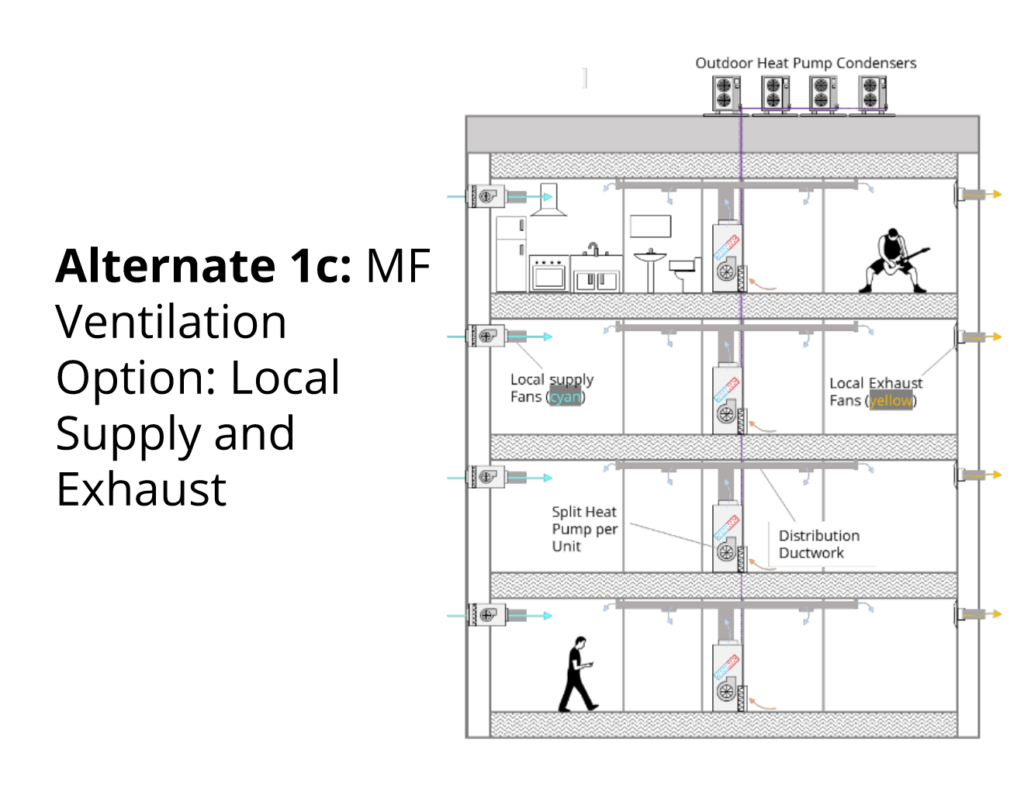
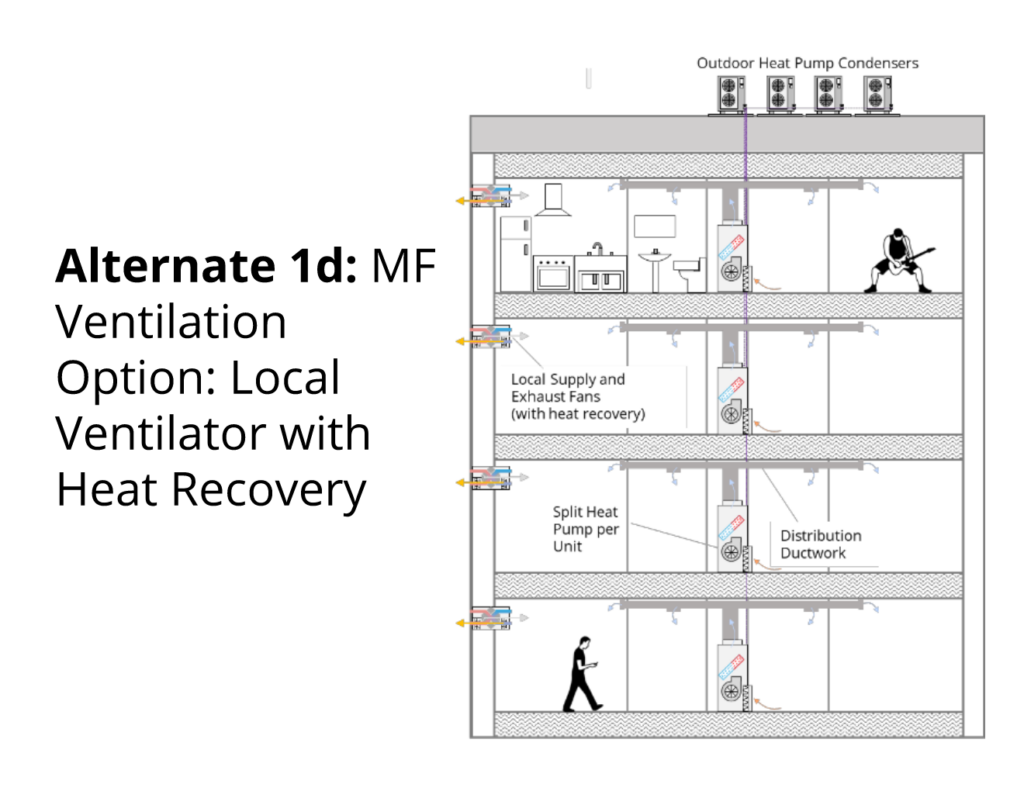
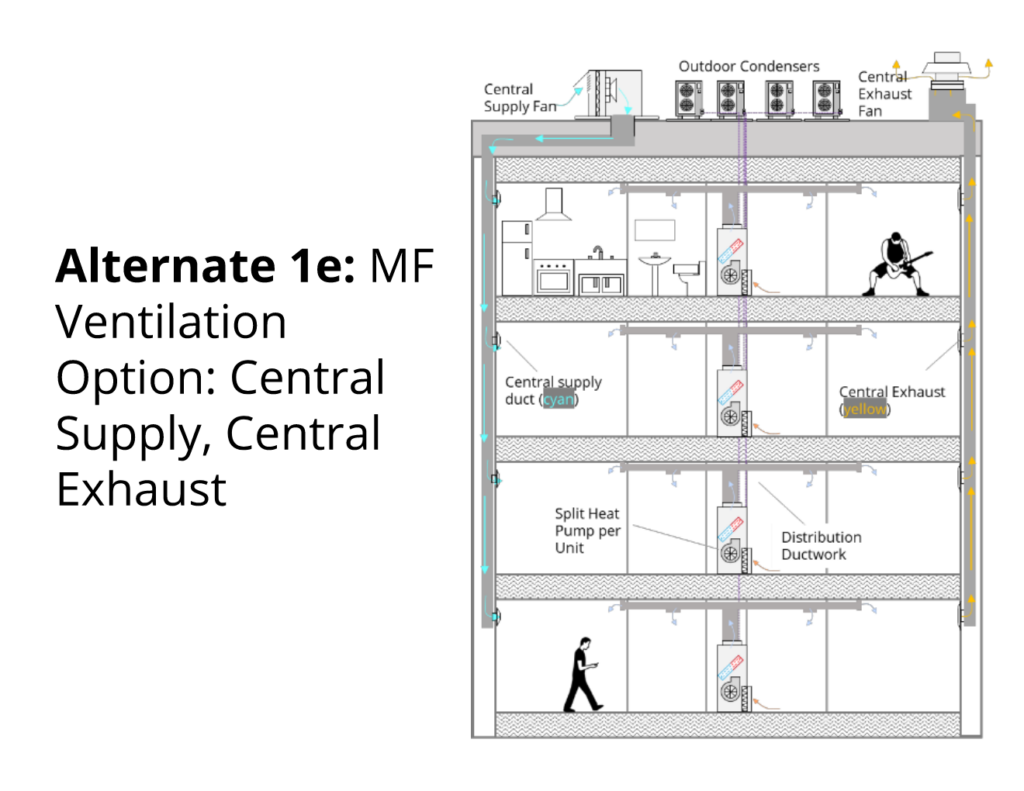
For a subset of the examples, an alternate configuration was built to demonstrate a unique variation of the system, also documented in the appropriate example guide.
Additional Resources
The following resources support practitioners working with California Title 24 compliance software, including the current CBECC 2025 tools and legacy software versions.
- CBECC 2025: The official free compliance software for California nonresidential and multifamily buildings, updated for the 2025 energy code cycle. Used to generate compliance documentation and certificate of compliance forms for permit submittal.
- EnergyPro (EnergySoft): A commercially available, CEC-certified alternative to CBECC for Title 24 compliance. EnergyPro is commonly used by energy consultants and compliance firms across California for its interface and workflow tools.
- IES VE: IES VE offers Title 24 compliance capability within a broader energy modeling environment. It may be particularly useful for projects where a single model needs to serve both compliance and detailed performance analysis purposes.
- Right-Energy Title 24 (MiTek Wrightsoft): A CEC-approved compliance tool for single-family residential new construction, running the CBECC calculation engine. Sold as an add-on to Wrightsoft’s residential package rather than as standalone software. It does not cover nonresidential or multifamily buildings, so it sits outside the scope of these resources.
- Energy Code Ace: A go-to training resource for California energy code compliance. Energy Code Ace covers everything from introductory compliance concepts to system-specific deep dives, with content updated for the 2025 code cycle. Free to access and developed in partnership with California’s investor-owned utilities.
- CalBEM CBECC-Com FAQs: Practitioner-focused FAQ document from a prior CalBEM-funded project, covering common modeling questions for CBECC-Com. Reflects earlier software versions but remains a useful reference for understanding software logic and compliance intent.
- Link: CBECC-Com FAQ – CalBEM
- CEC: The CEC standards page links to the current code, approved software downloads, the ACM reference manuals, and all supporting technical appendices.
- CEC GitHub: The California Energy Commission maintains public GitHub repositories for CBECC compliance software development. Repositories include source code, release notes, issue tracking, and technical documentation for the tools that implement Title 24 compliance calculations.